



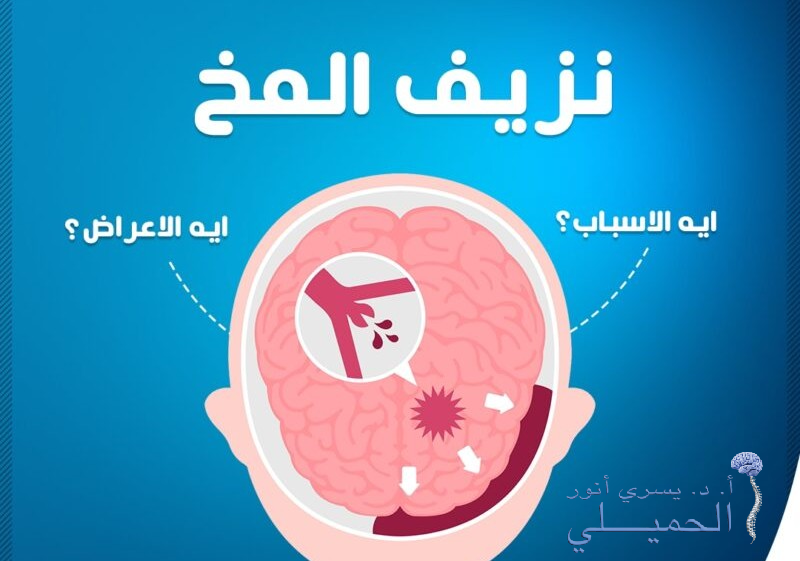
Brain hemorrhage is a critical medical condition that requires close monitoring and specialized care. With advances in modern medicine, it has become possible to manage these cases more effectively, helping improve patient outcomes and reduce potential complications. Advanced medical efforts aim to provide the best possible care, focusing on improving quality of life and accelerating recovery after a hemorrhage.
Treatment of Brain Hemorrhage
Treatment begins after an accurate diagnosis to determine the location of the bleeding, its size, and the extent of its impact on brain tissue. Treatment methods vary depending on the severity of the condition and the risk it poses to vital functions. The primary goals are to stop the bleeding, reduce complications, and protect brain tissue. Treatment options include:
1. Medical Treatment
In mild cases, physicians may prescribe medications to:
Control high blood pressure
Reduce brain swelling
Prevent seizures or convulsions
Relieve anxiety and pain when needed
These medications may include pain relievers, corticosteroids, anti-epileptic drugs, diuretics, and others depending on the patient’s condition.
2. Medical Monitoring and Follow-Up
Mild cases are closely monitored to ensure stability and prevent worsening of the hemorrhage, with continuous evaluation of neurological functions.
3. Surgical Intervention
In cases of large hemorrhage or significant pressure on brain tissue, surgical intervention becomes necessary and may include:
Evacuation of the hematoma to relieve intracranial pressure
Repair or clipping of ruptured blood vessels, such as aneurysms or arteriovenous malformations
Placement of a brain catheter to drain cerebrospinal fluid and relieve hydrocephalus
These procedures are performed with high precision using advanced techniques. Timely intervention is a crucial factor in saving the patient’s life and minimizing neurological damage.
4. Rehabilitation Therapy
After the patient’s condition stabilizes, rehabilitation begins to improve mobility, cognitive functions, and overall quality of life as much as possible.
Types of Brain Hemorrhage
Treatment depends largely on the type of brain hemorrhage, which varies according to the site of blood accumulation. Types include:
Intracerebral hemorrhage: Occurs when blood vessels rupture within brain tissue itself, causing a blood clot that directly compresses brain cells. It is one of the most dangerous types.
Subarachnoid hemorrhage: One of the most severe forms, occurring when bleeding accumulates between the surface of the brain and the membranes covering it.
Subdural hemorrhage: Occurs when blood collects beneath the inner layer of the dura mater and above the brain surface.
Epidural hemorrhage: Occurs between the skull and the outer membrane of the brain (dura mater), often due to direct head trauma such as traffic accidents or falls, and usually requires urgent surgical intervention.
Intraventricular hemorrhage: Occurs within the brain’s ventricles, which are responsible for producing cerebrospinal fluid that protects the brain and spinal cord. This is considered one of the most serious types of brain hemorrhage.
Symptoms of Brain Hemorrhage
Symptoms vary depending on the location and size of the hemorrhage and may appear suddenly or develop gradually. Immediate medical intervention is required. Common symptoms include:
Sudden, severe headache unlike usual headaches
Weakness or paralysis in the arms or legs, possibly affecting one side of the body
Visual disturbances such as blurred vision, double vision, or vision loss
Sensory disturbances such as numbness, tingling, or loss of sensation
Difficulty speaking or understanding speech
Nausea and vomiting due to increased intracranial pressure
Loss of balance and coordination, difficulty walking
Fainting or reduced level of consciousness, possibly progressing to coma in severe cases
Seizures or convulsions, especially in those without a prior history of epilepsy
Difficulty swallowing or writing, or loss of reading and writing ability
Changes in pupil size (dilation or constriction)
Ringing in the ears or neck stiffness in some cases
Symptoms may also vary depending on the hemorrhage location:
Near visual pathways: May cause visual impairment or difficulty controlling eyelids
Near the brainstem: Often associated with nausea, loss of balance, and problems with vital functions such as breathing
Summary
Immediate monitoring and rapid diagnosis are essential to reduce serious complications of brain hemorrhage. Any sudden headache, weakness, or speech or vision disturbances should be taken seriously and evaluated by a physician immediately.
Causes
Brain hemorrhage has multiple causes, and identifying the exact cause is critical for determining treatment. Key causes include:
Head injuries and trauma: Common after traffic accidents or falls, especially in children and young adults
Chronic high blood pressure: Weakens blood vessel walls and increases rupture risk
Aneurysms: Weak vessel walls that may rupture and cause internal bleeding
Congenital vascular malformations: Such as arteriovenous malformations, where vessels are fragile from birth
Vascular disorders related to aging or chronic disease: Such as cerebral amyloid angiopathy, which may cause bleeding without clear symptoms
Brain tumors: Especially malignant tumors that may cause bleeding due to pressure on surrounding vessels
Blood and clotting disorders: Low platelet count, severe anemia, or clotting problems increase bleeding risk
Other chronic diseases: Such as diabetes, atherosclerosis, and heart disease
Lifestyle factors: Smoking, alcohol, drugs, and stimulants weaken blood vessels
Pregnancy and childbirth complications: Such as preeclampsia or certain contraceptives
Blood clots or blocked cerebral arteries: Increased pressure may lead to vessel rupture
Can Brain Hemorrhage Cause Death?
Yes, brain hemorrhage can be fatal in some cases, particularly if medical intervention is delayed. Severity depends on factors such as the extent of bleeding, its location, and how quickly medical care is received. The risk increases when accompanied by:
Recurrent brain bleeding
Severe infections, especially in the central nervous system
Chronic heart or vascular diseases
Respiratory disorders
Stroke
Recovery Time After Brain Hemorrhage
Recovery time varies depending on the size and location of the hemorrhage, the patient’s age, and overall health:
Mild cases: Symptoms may gradually improve within about 3 weeks
Moderate cases: Often require 4–6 weeks for partial recovery, along with ongoing neurological rehabilitation
Severe cases: Recovery may take months or even years, especially if permanent brain damage or complications occur
Early diagnosis and follow-up with a specialist are key factors in speeding recovery and achieving the best outcomes. You can obtain a precise evaluation and comprehensive treatment plan with Dr. Yousri Al-Hamili, Consultant Neurosurgeon and Spine Surgeon.
Best Doctor for Treating Brain Hemorrhage
Choosing a specialized physician is a critical step when dealing with brain hemorrhage.
Dr. Yousri Al-Hamili, Consultant in Neurosurgery and Spine Surgery, is considered one of the leading specialists in Egypt for treating brain hemorrhage.
He is distinguished by extensive experience in performing delicate brain hemorrhage surgeries using the latest diagnostic and surgical technologies, along with meticulous postoperative follow-up to ensure optimal results. He has strong expertise in managing emergency cases, helping save lives and reduce neurological complications.
Dr. Al-Hamili is also skilled in microsurgery and advanced endoscopic techniques to minimize surgical intervention and accelerate recovery. His role extends beyond surgery to include neurological rehabilitation and postoperative medical management for comprehensive recovery. He is known for his medical and humanitarian dedication and has received positive patient evaluations for his precision and attentive care.
He stays up to date with the latest advancements in neurosurgery, making him a trusted choice for brain hemorrhage treatment in Egypt.
Despite the seriousness of brain hemorrhage as a life-threatening emergency, many patients have recovered thanks to early diagnosis and specialized medical care. Recovery chances vary depending on the type and location of the hemorrhage and the speed of treatment, but rapid intervention and a precise treatment plan are the most important factors in improving long-term outcomes.
If you are seeking the best specialized care, Dr. Yousri Al-Hamili offers accurate evaluation and an effective treatment plan tailored to each case.
At Dr. Al-Hamili’s clinic, you will receive comprehensive care using the latest medical technologies, with full commitment to the highest safety standards and the best possible recovery results. Do not wait—book your appointment now and begin a precise treatment plan to help you recover and return safely to your normal life.
Brain health should never be delayed or taken lightly. Every moment can make a significant difference between full recovery and serious complications. Treating brain hemorrhage requires accurate diagnosis and high surgical expertise—and Dr. Yousri Al-Hamili is the ideal choice.
Contact us via WhatsApp
Frequently Asked Questions
1. Is brain hemorrhage a medical emergency?
Yes, brain hemorrhage is a medical emergency that requires immediate intervention, as delayed treatment may lead to permanent brain damage or life-threatening complications.
2. Can brain hemorrhage be completely cured?
Yes, full recovery or significant improvement is possible in many cases, especially with early diagnosis and rapid treatment. Recovery depends on the type, size, and location of the hemorrhage and the patient’s overall health.
3. How long does recovery from brain hemorrhage take?
Recovery time varies. Mild cases may improve within weeks, while severe cases may take several months or longer, particularly if intensive rehabilitation is required.