



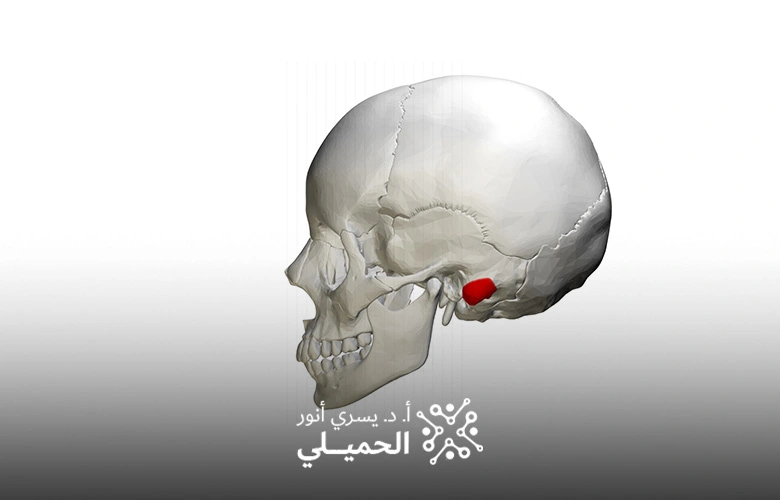
Tumors can affect any part of the body, and the skull base is one of the areas susceptible to these tumors. Skull base tumors are considered rare and complex, due to several reasons including that this location contains many important nerves and blood vessels, which when affected result in numerous troublesome symptoms. Therefore, treating skull base tumors requires accurate diagnosis and precise use of effective treatment by a specialized medical team.
جدول المحتوي
ToggleTypes of Skull Base Tumors
Skull base tumors can be divided into benign tumors and malignant tumors, also called cancers. Benign tumors are those that divide slowly and show symptoms gradually, and they do not have the ability to invade surrounding tissues or spread to different parts of the body. Malignant tumors, however, are tumors that grow rapidly and have the ability to invade surrounding tissues and different parts of the body.
The skull base can be affected by many tumors such as:
Benign Tumors
The skull base is affected by many benign tumors such as:
- Meningioma.
- Osteoma.
- Angiofibroma.
- Chordoma.
- Schwannoma.
Malignant Tumors
There are many malignant tumors that can affect the skull base such as:
- Neuroblastoma.
- Squamous cell carcinoma.
- Malignant schwannoma.
- Sarcoma.
Brain Tumor Symptoms
Skull base tumors lead to many troublesome symptoms, and these symptoms include:
- Persistent headache.
- Seizures.
- Balance difficulties and changes in hormone levels.
- Nausea and vomiting.
- Memory impairment.
- Changes in the patient’s personality.
- Feeling of weakness and fatigue.
- Speech difficulties, hearing loss, and tinnitus.
- Feeling dizzy and experiencing changes in various senses.
- Epileptic seizures and difficulty concentrating.
Brain Tumor Diagnosis Methods
There are many methods for diagnosing skull base tumors. After taking a detailed medical and family history from the patient, and after conducting a physical examination, the doctor may request some tests to confirm the diagnosis, and these tests include:
- MRI and CT scans of the brain.
- Examination of various senses such as hearing tests.
- Comprehensive neurological examination and brainstem response testing.
- Diagnostic brain catheterization.
- Brain tissue biopsy.
Surgical procedures for skull base tumor removal have significantly advanced, allowing surgeons to remove tumors effectively and safely. This has increased patient confidence in these procedures. However, it should be noted that to achieve the best possible results from surgery, cooperation among doctors from multiple specialties is essential to ensure complete tumor removal.
You can now book an appointment with Dr. Yousre Elhemyly – Professor of Brain, Neurosurgery, and Spine Surgery – who has extensive experience in treating these tumors. You can contact us through the text messaging service available on the website, and our medical team will answer all your inquiries as soon as possible.

For direct booking
Book Now